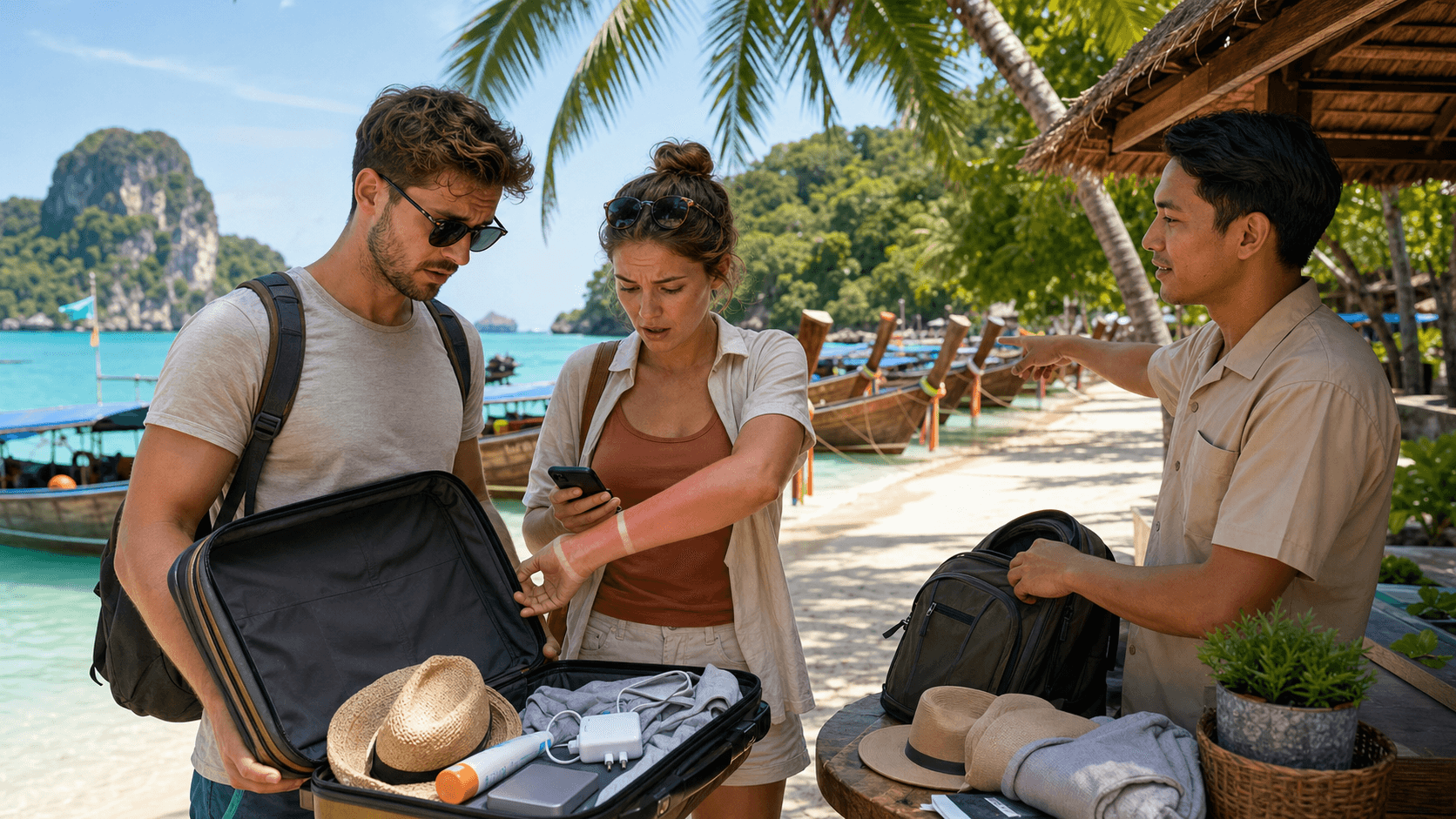
Avoid These Holiday Spoilers Before You Hit the Sand
A Thailand beach holiday should feel simple: soft sand, warm sea, great food, and nothing more demanding than choosing your next coconut shake. Yet plenty of trips are spoiled by things that are easy to avoid, from harsh sunburn and jellyfish stings to scams and soggy luggage. A little planning before you throw down your towel can make the difference between a dream break and a week of small dramas.
This matters even more from May onwards, when many Thai beach spots turn hotter, wetter, and more humid. Showers can move in fast, and the sea can change from calm to choppy in a short time. As a long-established ATOL-bonded UK travel specialist, we have seen how some smart choices at the planning stage keep beach time smooth and stress free, especially for complex trips where you might be hopping between islands or mixing city and sand.
Misjudging Thailand's Seasons and Monsoon Rains
One of the biggest mistakes is thinking Thailand has just two settings: hot and sunny. In reality, different coasts have different rainy seasons. The Andaman side, home to places like Phuket and Krabi, often gets heavier rain at different times than the Gulf of Thailand, where you find islands like Koh Samui and Koh Phangan.
In May, many areas start to feel:
- Higher humidity that can sap your energy
- Short but intense downpours that can close beach bars for an hour
- Rougher seas, which can mean limited swimming on some days
- Possible red flags on the beach and cancelled boat trips
If you are planning island hopping or lots of water-based activities, that can be a shock. Ferries might run late, snorkelling visibility can drop, and some islands feel less fun when the sea is too rough to swim.
To avoid this, it helps to:
- Pick the coast that matches your travel dates, not just the first pretty photo you see
- Build in one or two flexible days with no fixed tours
- Keep transfers and boat trips as changeable as possible
- Speak to a specialist who knows which beach works best in which month
A Thailand beach holiday can still be lovely in shoulder season; it just needs smarter timing.
Underestimating Sun, Sea Conditions and Safety
The sun in Thailand is far stronger than what many of us are used to in the UK. A common mistake is landing pale from a long flight, dropping your bags, then spending hours in the midday sun with little shade. That mix of UV, heat and dehydration can quickly lead to painful burns and heatstroke.
Simple sun safety makes a huge difference:
- Use high SPF, reef-safe sunscreen and top up often
- Cover up with a hat and light shirt in the middle of the day
- Take proper breaks in the shade, especially in the first few days
Sea conditions are another area people misjudge. Water can look calm from the sand yet still have rip currents underneath. In some seasons, there may be jellyfish, sharp rocks or strong waves near shore. On busy beaches, motorbikes, jet skis and longtail boats can feel very close to swimmers.
Good habits here include:
- Respecting red flags and lifeguard advice, even if others ignore them
- Checking for jellyfish warnings and asking hotel staff where to swim
- Wearing sandals or reef shoes to avoid cuts on rocks or broken shells
- Being extra careful with any water activity after drinking
A tiny beach first-aid kit with plasters, antiseptic wipes and pain relief can also save an afternoon. A safer approach often means a calmer, more relaxing Thailand beach holiday overall.
Choosing the Wrong Beach for Your Travel Style
Not all Thai beaches feel the same, and this is where many people go wrong. Some are full-on party strips with music late into the night. Others are quiet coves where the loudest sound is the waves and the odd longtail boat. Then there are rustic islands with limited power, patchy Wi-Fi and simple rooms.
Common surprises include:
- Booking a famous party beach, then not sleeping because of the bars
- Arriving on a steep, hilly bay that is hard to walk with small children
- Reaching a tiny island and finding no ATM, clinic or proper shop
- Facing a long road and boat transfer after an overnight flight when you are already tired
Different travellers need different things from their beach:
- Couples may want peaceful sunsets, good local food and a few day trips
- Families often look for calm, shallow water, shade and nearby shops
- Solo travellers might enjoy laid-back social spots with yoga, cafes and easy meet ups
- Groups of friends may prefer beaches with bars, water sports and late night options
Matching your travel style to the right island and resort takes some thought, especially if you are linking the beach with other parts of Thailand, such as Bangkok or the north.
Disrespecting Local Culture, Nature and Beach Rules
Even on relaxed islands, Thailand is still a fairly traditional country. One frequent mistake is walking straight from the sand into town in just swimwear. Away from the actual beach, locals expect shoulders and midriffs to be covered. The same care applies in beachfront temples or shrines, where quiet behaviour, covered knees and no shoes are expected.
Other points to keep in mind:
- Keep alcohol low-key in public areas away from dedicated bars
- Be discreet with public displays of affection
- Follow any local signs about where you can and cannot sit or walk
Nature also deserves respect. Littering, taking shells or bits of coral, standing on coral when snorkelling or feeding fish all damage the marine environment. Some wildlife shows and photo spots may put animals under stress.
Being a considerate guest looks like this:
- Putting rubbish in bins or taking it back to your room
- Saying no to trips that feel unkind to animals or the sea
- Keeping noise down late at night, especially near family areas
- Bargaining at beach stalls with a smile, not aggression
These small choices protect Thailand's beaches and also create friendlier, warmer interactions with local people.
Money, Bookings and Tech Slip Ups That Cost You
Many problems start when tired travellers make last-minute choices on the sand. Walk-up bookings at beach hotels can mean you pay more or end up in a room that does not suit your needs. At some piers, unmetered taxis, unofficial drivers or unlicensed tour desks can lead to stress and confusion.
To keep things smooth, it helps to:
- Use protected, pre-arranged bookings where possible
- Check that any tour or transfer looks properly organised and insured
- Fix your main airport and pier transfers in advance
Tech can trip people up too. Relying fully on hotel Wi-Fi for boarding passes, banking apps or travel plans is risky. Remote islands often have patchy signal, power cuts or slow connections.
Before you travel, try to:
- Download offline maps for your key islands and towns
- Save copies of important documents in more than one place
- Carry a small amount of local cash for beach bars, longtail boats and markets
A well-planned Thailand beach holiday does not remove every surprise, and that is part of the fun. It does, however, avoid the biggest blunders so you can enjoy the warm water, soft sand and easy rhythm of island life. As a UK-based, ATOL-bonded specialist who has been planning trips since the early eighties, we know how to link the right coast, island and resort to your plans, build in room for tropical weather, and keep the practical details under control while you simply relax by the sea.
Plan Your Dream Beach Escape With Confidence
Let Skylord Cruise & Holidays take care of every detail so your only job is to relax on your ideal Thailand beach holiday. We will tailor your itinerary, from flights and hotels to island-hopping and excursions, to match your budget and travel style. If you have questions or need expert advice before booking, simply contact us.